Reconstruction

Comprehensive Reconstruction and Construction Defect Repair: Restoring Integrity and Peace of Mind

Avalon Construction provides specialized reconstruction services in the Greater Denver area designed to restore properties suffering from structural issues, architectural defects, or significant damage. We address a wide range of civil and structural challenges on built projects, working under flexible contract models like stipulated sum or design-build to meet your specific needs.

Reconstruction and Construction Defect Repair

Avalon Construction provides reconstruction services, (also sometimes referred to as construction defect repair services) to restore property damage resulting from construction defects or other events that cause property damage. We perform reconstruction work for public and private owners to address architectural, civil, and structural matters. Avalon frequently provides this work under stipulated sum, construction management, or design-build contracts.

Avalon Construction’s award-winning construction team of commercial construction contractors performs reconstruction work with a focus on responsiveness and quality. We maintain large single project and aggregate bonding programs so, if requested, Avalon can provide performance and payment guarantees from a triple A-rated bonding company, which is rare in the reconstruction industry.

Whether for water damage, fire and smoke damage, wind damage, vandalism, or microbial growth, the repairs to your commercial property can be overwhelming. Avalon Construction maintains a network of professionals and technical experts that include construction contractors and forensic engineers and who assist in the repair and restoration process, and understand the interactions and correspondence between insurance carriers, policy holders and adjusters. As commercial restoration contractors, Avalon is dedicated to providing smooth and efficient restoration, reconstruction, or repair work that offers peace of mind.
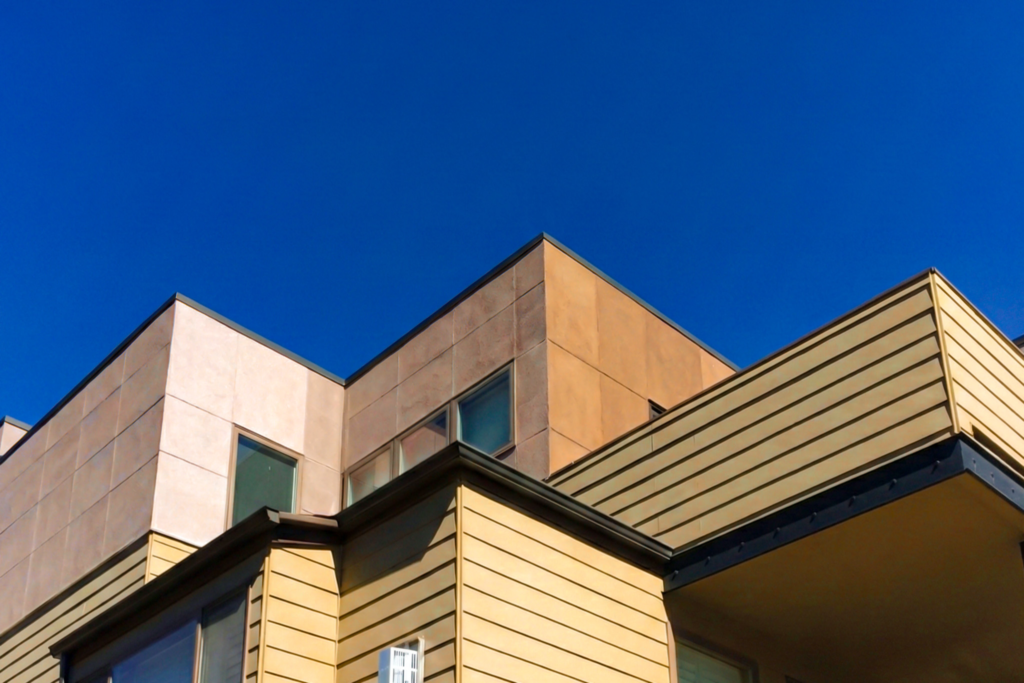
Deconstructive Testing

At Avalon, deconstructive testing is carried out by specialists who understand architectural, structural, and material performance. Avalon can provide this specialized demolition to better understand possible defects or required repair.

FAQs

How does the 2025 Denver Building Code update affect my tenant improvement timeline?

As of January 1, 2026, all new commercial interior projects must comply with the 2025 Denver Commercial Building Code (DCBC). If your project was submitted before the December 31, 2025 deadline, it may still fall under 2022 codes. However, for 2025 designs, the City and County of Denver has streamlined the “Application Intake” process. While standard reviews currently take 8 to 12 weeks, the new code introduces stricter “Application Expiration” rules (Section 131.2), meaning permits must be issued within 18 months of enactment or they expire. We help Denver business owners navigate these transitions to avoid costly redesigns.

If you are renovating a commercial space larger than 5,000 square feet, you are subject to the Energize Denver Building Performance Policy.

For spaces 5,000–24,999 sq. ft.: You must either install LED lighting for 90% of the space or purchase renewable energy.

For spaces 25,000+ sq. ft.: You must meet specific Energy Use Intensity (EUI) targets. Our team specializes in “electrification” retrofits—replacing gas-fired HVAC systems with electric heat pumps—which is often required during major tenant improvements to meet Denver’s 2040 net-zero goals.

For more information, visit the City and County of Denver website here: https://www.denvergov.org/Government/Agencies-Departments-Offices/Agencies-Departments-Offices-Directory/Climate-Action-Sustainability-and-Resiliency/Cutting-Denvers-Carbon-Pollution/Efficient-Commercial-Buildings/Denver-Building-Regulations/Energize-Denver-Building-Performance-Policy or contact Denver’s Office of Climate Action here: energizedenver@denvergov.org – (844) 536-4528

Generally, interior-only tenant improvements in districts like RiNo or the DTC do not require a full Site Development Plan (SDP). However, if your “Change of Use” (e.g., converting a warehouse to a retail showroom) impacts exterior lighting, landscaping, or parking, Denver’s Community Planning and Development (CPD) may require an SDP. We provide a preliminary code analysis to determine if your interior construction triggers these “Change of Use” requirements, which can add 4–6 months to a project if not identified early.